
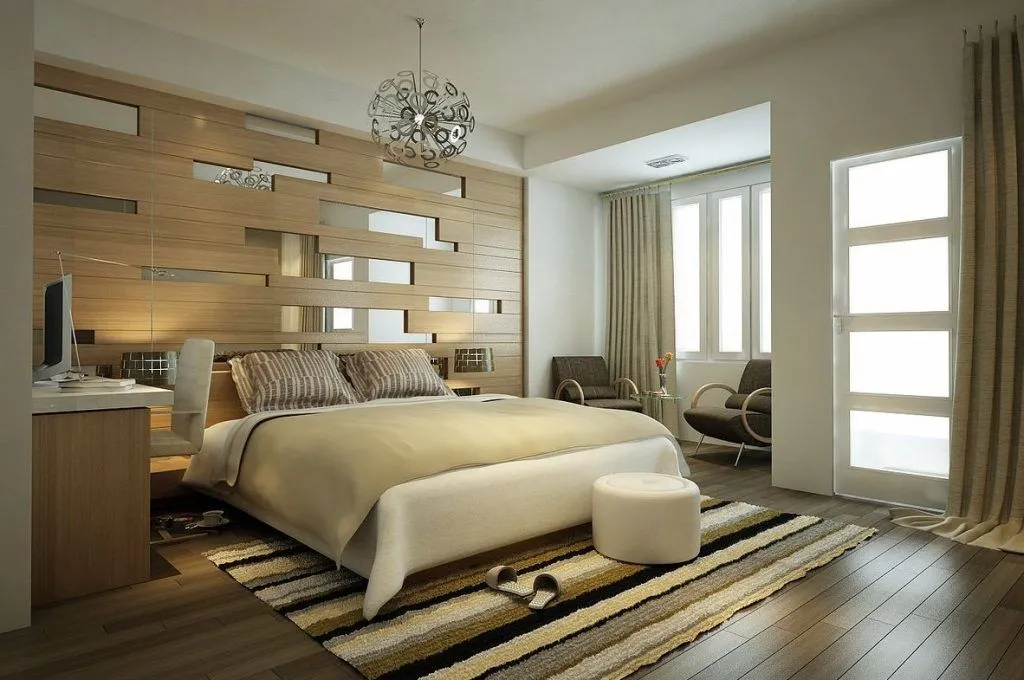
Interior design is the art and science of enhancing indoor spaces to create environments that are both beautiful and practical. It involves carefully planning the layout, selecting suitable colors, choosing furniture, and incorporating decorative elements that reflect the personality and needs of the occupants. Whether it is a home, office, restaurant, or retail store, professional interior design helps create a comfortable and visually appealing space that improves the overall experience of those who use it.
A well-planned interior design project begins with understanding the purpose of the space and the lifestyle of the people who will use it. Designers analyze factors such as room size, natural lighting, architectural structure, and functionality before creating a design concept. This process ensures that every element in the room works together harmoniously. From modern minimalist interiors to luxurious classic styles, interior design allows property owners to express their taste while making the most of their available space.
One of the key aspects of interior design is effective space planning. This involves arranging furniture, fixtures, and decorative items in a way that maximizes both comfort and usability. A well-designed layout ensures smooth movement within a room and makes even small spaces feel open and organized. Designers often use creative storage solutions, multi-functional furniture, and strategic lighting to enhance both practicality and aesthetics.
Color selection also plays a significant role in interior design. The right color palette can influence mood, create a sense of warmth, and visually transform a space. Soft neutral tones can make a room feel calm and spacious, while bold colors add personality and energy. Interior designers carefully combine colors with textures, fabrics, and materials to create a balanced and cohesive look that complements the overall design theme.
Lighting is another essential element that contributes to the success of an interior design project. Proper lighting not only improves visibility but also highlights architectural features and decorative elements. Designers often combine natural light, ambient lighting, task lighting, and accent lighting to create depth and atmosphere within a room. This layered lighting approach helps achieve both functionality and visual appeal.
Furniture and décor are the finishing touches that bring an interior design concept to life. Choosing the right furniture pieces ensures comfort while maintaining the style of the space. Decorative elements such as rugs, curtains, artwork, and plants add character and personality to the interior. When selected carefully, these details can elevate the overall design and create a welcoming and elegant environment.
In today’s world, interior design has become an important part of modern living. People want spaces that are not only stylish but also practical and comfortable. Professional interior design services help homeowners and businesses create environments that reflect their identity while improving functionality and value. With thoughtful planning and creative ideas, interior design can truly transform any space into a place that feels inspiring, relaxing, and uniquely personal.