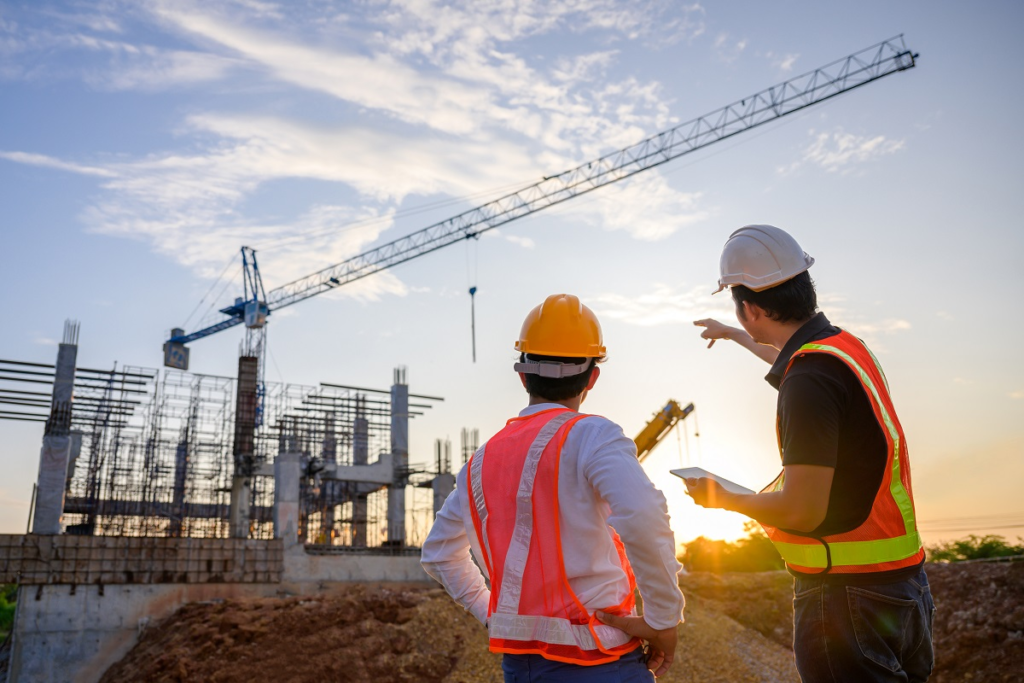
Commercial construction plays a vital role in shaping modern cities and supporting economic growth. It involves the planning, design, and construction of structures intended for business use, such as offices, retail centers, warehouses, hotels, and industrial facilities. These projects require a high level of expertise, coordination, and compliance with safety regulations to ensure that every building meets both functional and aesthetic standards.
Comprehensive Planning and Design
Successful commercial construction begins with detailed planning and innovative design. Architects, engineers, and project managers collaborate to create layouts that maximize space efficiency while aligning with the client’s vision. This phase includes site analysis, budgeting, material selection, and obtaining necessary permits. A well-thought-out design not only enhances the building’s appearance but also ensures long-term durability and sustainability.
Quality Construction and Skilled Workforce
The construction phase involves a wide range of skilled professionals, including contractors, electricians, plumbers, and structural engineers. Using advanced tools and high-quality materials, these experts work together to bring the design to life. Attention to detail and adherence to safety standards are essential to ensure the structure is strong, reliable, and built to last.
Modern Technologies in Construction
Today’s commercial construction projects increasingly rely on modern technologies such as Building Information Modeling (BIM), automation, and eco-friendly materials. These innovations improve efficiency, reduce costs, and minimize environmental impact. Smart building systems, energy-efficient lighting, and sustainable construction practices are becoming standard features in commercial developments.
Project Management and Timely Delivery
Effective project management is crucial in commercial construction to keep projects on schedule and within budget. Project managers oversee every stage, from initial planning to final completion, ensuring smooth coordination between teams. Timely delivery is essential for businesses that depend on these spaces to operate and generate revenue.
Focus on Safety and Compliance
Safety is a top priority in commercial construction. Strict regulations and industry standards must be followed to protect workers and future occupants. Regular inspections, proper training, and the use of safety equipment help prevent accidents and ensure compliance with local building codes.
Tailored Solutions for Diverse Industries
Commercial construction projects vary widely depending on the industry they serve. Whether it’s a retail store designed to attract customers, a corporate office focused on productivity, or an industrial facility built for heavy operations, each project is customized to meet specific requirements. This flexibility allows businesses to operate efficiently in spaces designed specifically for their needs.
Conclusion
Commercial construction is more than just building structures—it’s about creating functional, safe, and visually appealing spaces that support business growth. With the right combination of planning, skilled labor, and modern technology, commercial construction projects can deliver long-lasting value and contribute to the development of thriving communities.